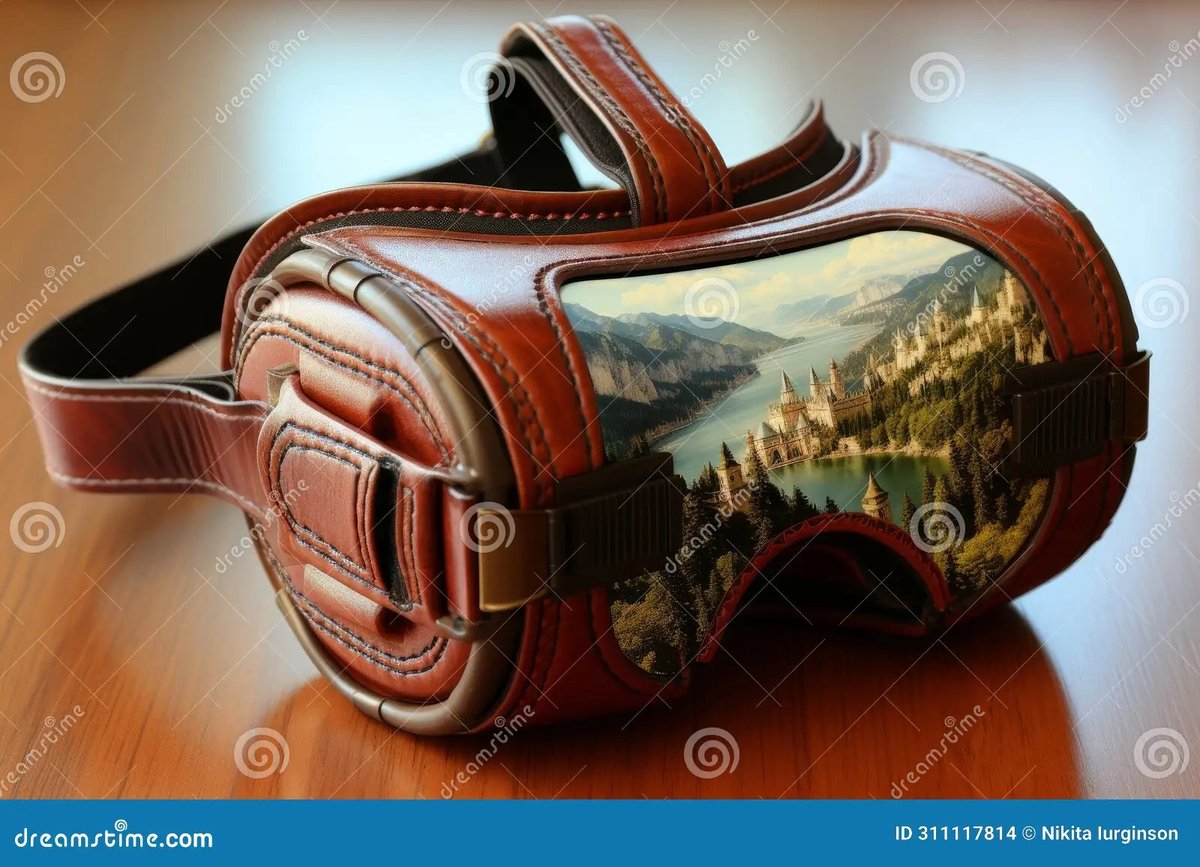
Imagine stepping into a painting, not through a frame on a wall, but by simply holding up your phone or donning a sleek headset. This isn't science fiction; it's the vibrant, expanding world of Virtual & Augmented Reality Art Experiences, where digital creations seamlessly blend with our physical environments or transport us entirely to new ones. This revolutionary frontier is not just a technological marvel; it's a fundamental reimagining of what art can be, how we interact with it, and even where it lives. It’s a space where artists aren't just painting canvases or sculpting clay, but coding worlds, designing interactions, and blurring the very lines of reality.
At a glance: Navigating the New Dimensions of Art
- Beyond the Screen: AR/VR art moves past traditional mediums, turning any space into a gallery.
- A New Canvas: Artists are becoming hybrid creators, mastering code, 3D design, and interaction.
- Democratized & Global: AR/VR art is highly shareable, reaching vast audiences and bypassing physical gallery limitations.
- Institutional Embrace: Major museums are rapidly integrating AR into their exhibitions for deeper engagement.
- Ethical Crossroads: Concerns about privacy, algorithmic bias, and digital ownership are central to its evolution.
- The Future is Hybrid: Expect seamless integration of AR, VR, AI, and physical installations, making art truly participatory.
The Canvas Expands: A New Dawn for Art
Art has always mirrored human innovation, adapting to new tools and perspectives, from cave paintings to photography, and now, to the digital ether. The journey of AR art began subtly in the late 20th century, with rudimentary experiments overlaying digital graphics onto live video feeds. These early forays laid the groundwork for a dramatic shift.
By the 2010s, two technological leaps catalyzed AR's artistic potential: the ubiquitous smartphone, packed with processing power, and GPS, enabling location-aware experiences. Suddenly, the world became a potential canvas. Pioneers like Mark Skwarek and Sander Veenhof began staging "virtual exhibitions" at prestigious venues such as the Museum of Modern Art, not with physical installations, but with artworks viewable only through a smartphone screen. These ephemeral, site-specific pieces challenged traditional notions of presence and permanence.
The rise of social media apps like Snapchat, Instagram, and TikTok further democratized and mainstreamed digital overlays. What started as playful filters and masks quickly evolved into a powerful new form of personal expression, allowing millions to experiment with AR. Artists like KAWS seized this momentum, placing colossal virtual sculptures in public spaces worldwide, sharing these awe-inspiring, yet intangible, works globally through smartphone lenses. This wasn't just tech; it was a cultural phenomenon redefining public art.
Beyond the White Cube: AR in Museums and Public Spaces
Initially, many traditional art institutions viewed AR with skepticism, dismissing it as a novelty. However, as the technology matured and its artistic potential became undeniable, that perception fundamentally shifted. Today, major institutions globally, from the Smithsonian to the Tate Modern, are actively integrating AR into their exhibitions. They're not just adding a "tech layer"; they're transforming how audiences interact with and understand art.
Imagine visiting a museum and using your phone to animate a static painting, watch ancient artifacts come to life, or embark on an interactive scavenger hunt that deepens your connection to the collection. AR drives engagement and diversifies audiences, making art more accessible and exciting for a new generation. It transforms any space into a potential gallery, enabling site-specific and ephemeral works that respond directly to their environment.
This expansion extends beyond museum walls into the realm of public art. AR allows for innovative digital murals and civic interventions that can often bypass the bureaucratic hurdles of physical permits. We've seen this with powerful Black Lives Matter murals, appearing virtually in restricted spaces, offering potent messages without permanent physical alteration. Institutions like the National Museum of Singapore, the Art Gallery of Ontario, The National Gallery in London, and The Met in New York have all launched significant AR initiatives, with The Met Unframed even leveraging 5G technology for incredibly immersive experiences that bring the museum's collection to life in your living room. When considering how museums are leveraging immersive technology, it’s clear that these institutions are not just adopting AR; they’re embracing a fundamental shift in how they connect with their audiences.
Challenging Reality: Where Art Becomes Intangible
One of the most profound impacts of virtual and augmented reality art is its ability to question and redefine our very notion of "real." When you encounter an AR artwork, you see it superimposed onto your physical environment, yet you cannot touch it. It exists, but it is intangible. This paradox fundamentally alters traditional hierarchies of materials, space, and even ownership.
What does it mean for an artwork to be visible to the naked eye through a screen, yet invisible without it? This phenomenon blurs the lines between what is public and private. A virtual sculpture placed in a public park exists for anyone with the right app, but it is also a private experience viewed through a personal device. It challenges the traditional roles of artist and audience, as the viewer often becomes an active participant in "seeing" the art, choosing their perspective and interaction. This inherent intangibility invites philosophical reflection on presence, perception, and the increasingly intertwined nature of our physical and digital lives.
Empowering the Hybrid Artist: New Tools, New Voices
The rise of AR and VR art demands a new kind of creator: the hybrid artist. Gone are the days when a painter only needed brushes and canvas, or a sculptor, chisels and stone. Today's AR artists must be polymaths, mastering a diverse array of skills that bridge the gap between artistic vision and technological execution. This often includes coding, interaction design, 3D modeling, and motion graphics. It’s a demanding but incredibly rewarding path, offering unprecedented avenues for expression.
For artists with a social conscience, AR provides powerful tools for advocacy. Nancy Baker Cahill, for instance, creates stunning geo-located AR works that address social justice issues, allowing viewers to confront critical themes directly within their own environments. These works are often ephemeral yet deeply impactful, sparking conversations and raising awareness in ways traditional mediums might struggle to achieve.
Curators, too, are adapting, moving beyond arranging physical objects in galleries. They now design intricate access methods for an "infinite gallery," guiding audiences through QR codes, GPS coordinates, or specific apps to discover AR artworks that might be anywhere in the world. This transforms institutions into truly global platforms, showcasing art without geographical boundaries.
AR art is inherently participatory. It frequently requires audience interaction – moving around a piece, pressing a button, or even performing an action – making viewers co-creators in the artistic experience. This dynamic engagement fosters a deeper connection to the art and elevates the viewer from passive observer to active participant. Moreover, AR pieces are highly shareable. A stunning AR filter or a compelling virtual sculpture can be instantly captured and shared across platforms like Instagram and TikTok, driving rapid virality and cultural impact. This viral potential gives artists an unparalleled megaphone for their work, allowing it to resonate far beyond traditional art world circles.
Beyond mere sharing, the integration of AR with blockchain technology and Non-Fungible Tokens (NFTs) is revolutionizing how we think about ownership. Artists can now mint unique digital tokens for their AR works, enabling "experiential ownership." This means you might own the unique rights to display a particular AR sculpture in a specific geo-located spot, or possess a unique AR filter. This novel approach opens up new economic models for artists and challenges conventional ideas of collecting. For those keen on exploring the concept of experiential ownership through NFTs, AR art offers a compelling new frontier.
Navigating the Digital Frontier: Risks and Ethical Crossroads
While the potential of virtual and augmented reality art is immense, it also sails into uncharted ethical waters, raising significant concerns that artists, developers, and audiences must address.
One of the most pressing issues is privacy. AR experiences often require access to your device's camera, microphone, location data, and sometimes even biometric data. This extensive data collection raises questions about who owns this information, how it's used, and the potential for surveillance. Combined with algorithmic bias, where platforms and art discovery are shaped by the interests of their creators or the dominant cultural narratives, there’s a risk that innovative or niche AR art might be suppressed in favor of more marketable content. This challenges the theoretical democratizing power of AR, raising barriers such as hardware costs, data plan requirements, and tech literacy, effectively creating digital divides.
Ethical questions about consent are also paramount. Can an artist place a controversial AR artwork on public or even private property without permission? While the work is intangible, its digital presence can still generate debate and potentially infringe on perceived physical space. The ease of digital duplication also creates significant challenges for copyright and plagiarism. In a world where digital assets can be copied with a click, how do artists protect their unique creations? This necessitates innovation in areas like digital watermarking and blockchain-backed NFTs.
Finally, the environmental footprint of AR is a growing, often overlooked concern. Powering servers, streaming vast amounts of data, and manufacturing hardware all contribute to energy consumption and e-waste. As AR art scales, calculating and actively offsetting this environmental impact will become crucial for sustainable growth. It's a complex landscape, and understanding the ethical frameworks guiding immersive technology is more important than ever as this art form matures.
Meet the Pioneers: Artists Forging New Realities
The cutting edge of AR and VR art is being defined by a diverse group of visionary artists who are not just using technology but are actively shaping its language and potential. They are pushing boundaries, integrating new ideas, and often creating entirely new artistic forms.
- Maurício Nocêra (Lito): This São Paulo muralist brilliantly blends augmented reality with traditional street art. Lito’s work re-imagines classic graffiti styles, allowing his physical murals to burst into animated life when viewed through a smartphone. He even developed an Instagram filter, democratizing AR graffiti and inviting broader participation. His work exemplifies how AR can breathe new dimensions into existing urban landscapes.
- Susi Vetter: A Berlin-based AR artist, Susi Vetter is renowned for her psychedelic virtual masks and captivating illustrations. Her work often delves into immersive storytelling, transforming faces into fantastical digital canvases and creating vibrant, surreal worlds that users can step into. Vetter’s art showcases the power of AR for personal expression and transformative digital identity.
- H.C. Dunaway Smith: As a mixed reality artist, Dunaway Smith crafts captivating imagery that merges digital and physical realms. His innovative projects include interactive AR album covers, which add a dynamic visual layer to music, and the poignant Ruth Bader Ginsburg AR Memorial, allowing visitors to experience a virtual tribute to the late justice in public spaces, offering a new form of digital commemoration.
- Andrew Wilson (Letters Pray): Wilson, an AR lettering artist, manipulates light, shadow, and depth to create stunning virtual typography. His works often incorporate powerful political messages, appearing as glowing, ethereal text in specific environments. He challenges viewers to seek out and engage with these messages, turning physical spaces into stages for digital dissent and commentary.
- Glenn Segard (Caledonia Tattoo): Segard takes the ancient art of tattooing into the future by combining traditional ink with augmented reality. Through an AR device, his physical tattoos become animated, moving, and evolving on the skin. This fusion not only creates breathtaking, dynamic body art but also offers practical applications, such as carrying essential personal information for medical alerts, seamlessly blending aesthetics with utility.
- Yunuen Esparza: A Mexican oil painter who has embraced AR, Esparza integrates augmented reality into her deconstructivist works. She often merges human figures with animal imagery and rich Mexican cultural symbols, bringing her vibrant paintings to life with digital animations that deepen their narrative and symbolic meaning, creating a bridge between heritage and innovation.
- Marc O Matic: Operating with online anonymity, Marc O Matic creates interactive, steampunk-aesthetic AR experiences primarily from traditional pen drawings and sound design. His unique approach emphasizes intricate details and mechanical fantasy, inviting users into rich, imaginative worlds where sound and vision combine in an immersive, handcrafted digital layer.
These artists, along with many others, are not just creating art; they are defining the very grammar of this new medium. For a deeper dive into creators pushing artistic boundaries, you might enjoyMeet the Electric Bloom Cast, a group of visionary artists exploring the fringes of immersive media.
The Future is Fluid: Where AR Art is Headed Next
The journey of AR and VR art is still in its early chapters, but the trajectory is clear: it's moving from niche experimentation to mainstream integration. The future promises a rich tapestry of hybridized experiences, where AR seamlessly integrates with virtual reality, AI-generated content, and traditional physical installations. Imagine stepping into a gallery where a sculpture physically present before you is enhanced by an AR overlay that tells its story, while a VR experience transports you into the artist's conceptual world.
AR art is becoming an expected dimension in exhibitions, public projects, and even everyday consumer experiences. Blockchain technology and NFTs will form the infrastructure for entirely new experiential art markets, allowing for verified ownership and new ways for artists to monetize their digital creations. This isn't just about selling digital files; it's about owning a unique, interactive experience.
Crucially, future AR art will be fundamentally participatory. Audiences won't just view; they will remix, modify, and co-generate works, driven by decentralized autonomous organizations (DAOs) and crowdsourced curation. This will lead to a significant power shift, moving influence from traditional institutions to connected, global communities of artists and enthusiasts. As more people learn how to create your own AR filters and digital experiences, the creative landscape will diversify exponentially.
However, this rapid evolution also brings challenges: the risk of oversaturation, security vulnerabilities (spam, scams, surveillance), and the constant struggle to maintain intrinsic value in a digitally abundant world. Continuous experimentation and critical discourse will be vital to navigate these waters, ensuring that AR art remains a vibrant, meaningful, and accessible medium for artistic expression.
Step Into the Art: Your Next Immersive Experience
The world of Virtual & Augmented Reality Art Experiences is not just a passing trend; it's a profound transformation of how we create, engage with, and even define art. From animating cityscapes to giving voice to social justice movements, these technologies offer artists unprecedented power to transcend physical limitations and connect with audiences in deeply personal and interactive ways.
For you, the viewer, this means a constantly evolving landscape of discovery. Keep an eye out for AR integrations in your local museums and galleries, experiment with AR filters on social media, and seek out artists who are pushing the boundaries of what's possible. The next masterpiece might not be hanging on a wall; it could be waiting to unfold in your living room, or appear virtually on a street corner, inviting you to step in and become part of the art itself. Embrace the new realms that virtual and augmented reality are creating – they are a window into the future of human creativity.