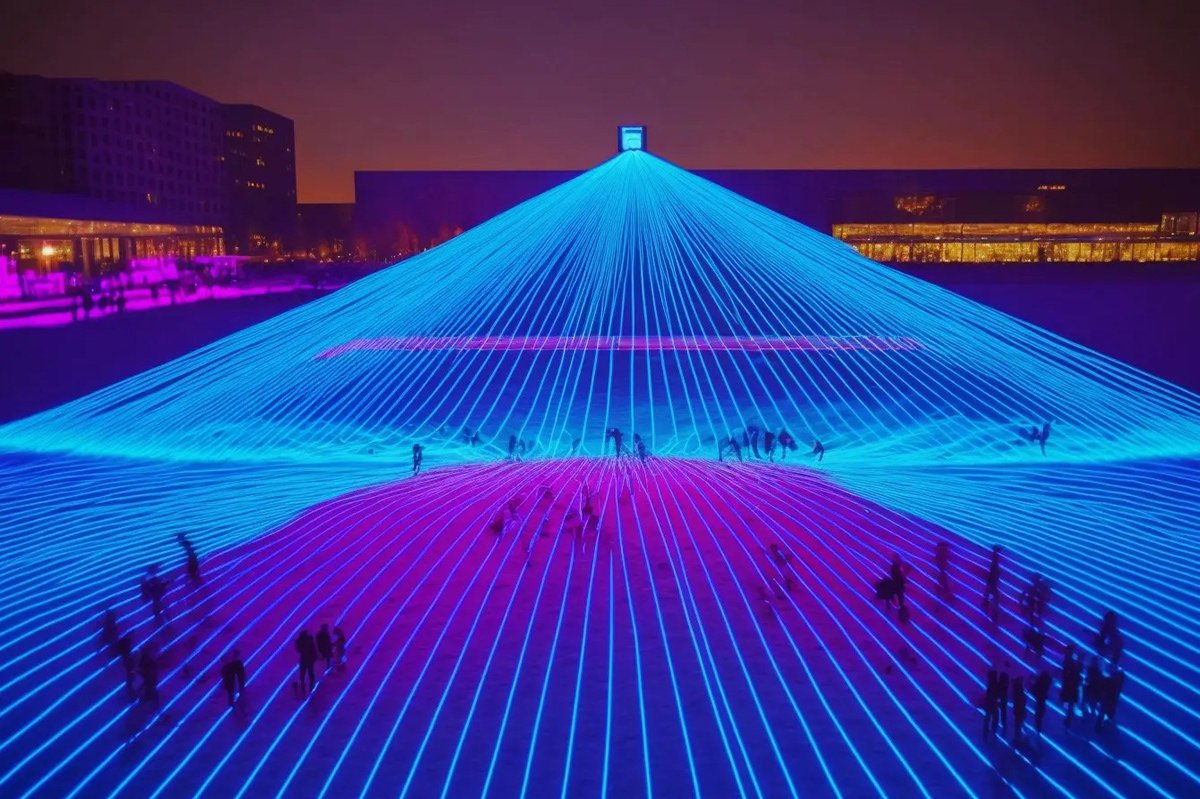
Remember when events were just about showing up, listening, and maybe grabbing a branded pen? That era is rapidly fading into memory. Today, brands aren't just presenting; they're creating worlds. Welcome to the powerful realm of Experiential Festival & Event Design, where passive attendance gives way to active participation, and fleeting impressions are replaced by deeply felt, lasting memories.
This isn't just a fancy new term for "event planning." It's a strategic shift, leveraging storytelling, cutting-edge technology, and multisensory engagement to craft interactive journeys that captivate, genuinely engage, and leave an indelible mark. The goal is no longer just to attract eyeballs, but to forge emotional connections that foster loyalty and advocacy for a brand, product, or service.
At a Glance: What You'll Discover About Experiential Design
- Beyond Passive Viewing: Experiential design moves past traditional marketing to create active, memorable engagement.
- Four Core Pillars: It’s built on multisensory engagement, innovation, personalization, and sustainability.
- Tech-Driven Immersion: Leverages AR, VR, metaverse, holographic displays, and interactive physical spaces.
- Real-World Applications: Transforms retail, pop-ups, product launches, and brand activations into dynamic experiences.
- Measurable Impact: Success isn't just about attendance; it's tracked through engagement, social reach, sentiment, and direct business outcomes.
- Strategic Advantage: Offers a powerful way to connect with audiences and build lasting brand loyalty.
Why Experiential Design Matters More Than Ever in the Attention Economy
In a world saturated with digital noise, standing out isn't just hard—it's an art. Consumers are bombarded with messages, their attention fragmented across countless screens and platforms. Traditional advertising struggles to break through this clutter, often feeling intrusive or forgettable. This is where experiential design steps in as a game-changer.
It’s about moving beyond simply telling people about your brand, and instead, letting them feel it. Imagine not just seeing a car, but virtually test-driving it through a simulated mountain pass. Or not just hearing about a new product, but interacting with a holographic representation of it that responds to your gestures. These are the kinds of moments that cut through the noise, demanding attention not through interruption, but through sheer captivation. This shift is crucial for any brand looking to truly stand out in the evolving landscape of marketing.
By crafting immersive, memorable experiences, brands can foster emotional connections that transcend typical transactions. These are the interactions that build genuine loyalty, spark word-of-mouth buzz, and create advocates long after the event concludes.
The Four Pillars of Unforgettable Experiential Design
Every truly impactful experiential event is built on a robust foundation. These four core principles ensure that the journey you create for your audience isn't just fun, but strategically effective.
1. Multisensory Engagement: Beyond Just Seeing
Humans experience the world through five senses, yet many events primarily focus on sight and sound. Experiential design champions a richer approach, tapping into all five to create a deeper, more lasting emotional imprint.
Think about it:
- Sight: Not just screens, but stunning 3D projections, dynamic lighting, and visually rich installations.
- Sound: Custom soundscapes, ASMR effects, and interactive audio that responds to movement.
- Touch: Textured materials, interactive walls and floors that react to a participant's presence, hands-on activities.
- Smell: Scented environments designed to evoke specific emotions or memories (e.g., a fresh pine scent for an outdoor brand).
- Taste: Curated culinary experiences that enhance the event's theme or brand message.
When you engage multiple senses simultaneously, you create a more vivid, compelling, and memorable experience that resonates on a much deeper level.
2. Innovation & Immersive Technology: Crafting New Realities
Technology isn't just a tool; it's the gateway to alternate realities and entirely new forms of interaction. Seamlessly blending cutting-edge tech allows you to push boundaries and create truly captivating experiences.
This includes:
- Augmented Reality (AR): Overlaying digital information onto the real world, like AR filters for virtual try-ons, gamified treasure hunts, or real-time product information.
- Virtual Reality (VR): Transporting attendees to entirely new environments for product simulations, behind-the-scenes tours, or immersive brand storytelling.
- 3D Design & Holography: Creating stunning visual spectacles, from 3D product showcases to live holographic performances that defy physical presence.
- Metaverse-Based Events: Building persistent, customizable branded 3D virtual spaces where attendees can interact as avatars, fostering global reach and new revenue streams through digital collectibles.
These technologies don't just entertain; they allow participants to interact with products, concepts, and narratives in ways previously impossible.
3. Personalization & Data-Driven Insights: Making it Yours
Generic experiences are forgettable. Personalized experiences are treasured. Experiential design leverages data to tailor every interaction, making attendees feel seen, understood, and valued.
How?
- RFID Wristbands & Mobile Apps: These aren't just entry tickets. They're keys to customized content, exclusive access zones, real-time updates, and even personalized recommendations based on an attendee's journey.
- AI-Driven Analytics: Sophisticated AI tracks engagement metrics—which installations draw the most attention, what content is consumed most, how long people dwell in certain areas. This data isn't just for post-event reports; it can optimize future strategies, sometimes even adjusting the experience in real-time.
- Customer Journey Mapping: Understanding how attendees move through a space helps designers create more intuitive and engaging paths, ensuring each interaction feels relevant to the individual.
This level of personalization transforms attendees from passive observers into active, recognized participants, strengthening their connection to the brand.
4. Sustainability: Designing for a Greener Tomorrow
Today's consumers, especially luxury and younger demographics, demand corporate responsibility. Integrating sustainability into event design isn't just good PR; it's a fundamental value that aligns brands with eco-conscious audiences. This principle helps in planning truly sustainable events.
Sustainable experiential design embraces:
- Eco-Friendly Materials: Opting for upcycled décor, digital screens over printed banners, and locally sourced, recycled, or biodegradable materials for installations.
- Energy-Efficient Technology: Utilizing LED lighting, solar-powered installations, and energy-saving modes for all tech.
- Sustainable Event Swag: Moving beyond plastic trinkets to offer biodegradable merchandise, digital NFTs, or ethically sourced, reusable items.
- Waste Reduction: Implementing robust recycling programs, minimizing single-use items, and designing modular setups that can be repurposed.
By prioritizing environmental responsibility, brands demonstrate their commitment to a better future, enhancing their reputation and resonating deeply with conscientious consumers.
The Technological Edge: Tools Shaping Immersive Experiences
The magic of experiential design often lies in its innovative use of technology. These tools aren't just gadgets; they're the conduits through which brands craft their immersive narratives.
Holographic Displays: Bringing Visions to Life
Imagine a product floating mid-air, rotating to reveal every detail without needing a physical prototype. That's the power of holographic displays. They create stunning 3D visuals that appear to exist in real space, captivating audiences with their futuristic allure.
- 3D Product Showcases: Perfect for luxury items, intricate machinery, or concept designs, allowing a realistic, interactive view from all angles.
- Live Hologram Performances: From celebrity appearances to brand ambassador addresses, holograms offer a unique way to bring personalities to any event, transcending geographical limitations.
- Engaging Presentations: Transform static data or complex ideas into dynamic, visually arresting 3D presentations that are far more impactful than a traditional slideshow.
Navigating the Metaverse: Beyond Physical Borders
The metaverse isn't just a buzzword; it's a burgeoning frontier for experiential events. These persistent, shared virtual spaces offer unparalleled opportunities for global reach and innovative engagement.
- Global Accessibility: Events can host millions of attendees from anywhere in the world, breaking down geographical and logistical barriers.
- Customizable Branded 3D Spaces: Brands can design unique virtual showrooms, interactive landscapes, and themed environments that are fully immersive and completely on-brand.
- New Revenue Streams: Opportunities for selling NFTs (Non-Fungible Tokens), digital collectibles, virtual merchandise, and sponsored virtual experiences.
- Avatar-Based Interaction: Attendees create personalized avatars, fostering unique social interactions and a sense of presence within the virtual world.
For a peek into how these digital realms can ignite imagination, consider exploring events like Meet the Cast of Electric Bloom, which demonstrate the vibrant potential of virtual experiences.
Augmented Reality (AR) & Virtual Reality (VR): Bridging Worlds
These twin technologies are at the forefront of immersive experiences, each offering distinct yet complementary capabilities. They are central to the latest trends in event technology.
- Augmented Reality (AR): Enhances the real world with digital overlays.
- Retail Experiences: Customers can use AR apps to see how furniture looks in their home or virtually "try on" clothes.
- Gamified Events: AR treasure hunts, interactive filters for selfies, or games that require physical interaction with digital elements.
- Interactive Mirrors: Virtual try-ons for fashion or makeup, eliminating the need for physical changing rooms.
- Virtual Reality (VR): Creates entirely simulated environments.
- Immersive Virtual Showrooms/Tours: Ideal for real estate, automotive, or travel, allowing users to explore spaces as if they were physically present.
- Product Simulations: Users can interact with digital prototypes of products, testing features and functionalities in a risk-free environment.
- Immersive Brand Storytelling: Transporting audiences into a brand's narrative, creating deep emotional resonance.
Interactive Physical Spaces: Engaging the Real World
While digital tech is crucial, the physical environment remains a powerful canvas for experiential design. These spaces react to and involve attendees, blurring the lines between observer and participant.
- Immersive Walls & Interactive Floors: React to movement, touch, or voice, transforming static surfaces into dynamic, responsive canvases.
- 3D-Printed Installations: Allow for incredibly detailed, unique, and complex architectural elements or sculptures that enhance the event's theme.
- Data Visualization Walls: Display real-time insights, social media feeds, or user-generated content, making attendees part of a living data stream.
- Immersive Rooms: Fully transform traditional event spaces into themed environments, using projection mapping, sound, and scent to create a complete sensory journey.
Eco-Friendly Event Technologies: Innovation with a Conscience
The drive for sustainability extends to the technology itself. Smart choices can significantly reduce an event's environmental footprint.
- Paperless Events: Digital invitations, mobile apps for schedules and information, and QR codes for content access eliminate the need for print materials.
- Energy-Efficient Displays: LED screens, solar-powered installations, and kinetic energy generators reduce power consumption.
- Recyclable/Modular Event Setups: Designing stages, booths, and installations that can be easily disassembled, recycled, or repurposed for future events.
Where Experiential Design Shines: Key Applications
Experiential design isn't confined to a single type of event. Its principles can be applied across various sectors, transforming ordinary interactions into extraordinary ones.
Experiential Retail Design: Reinventing the Store
The retail landscape is fierce. Experiential design offers a powerful antidote to the online shopping boom, giving consumers a compelling reason to visit physical stores.
- Immersive Rooms: Themed spaces within stores that transport customers into a product's world (e.g., a "winter wonderland" for ski gear).
- Digital Showcases: Interactive screens that provide in-depth product information, customization options, or customer reviews.
- AR Shopping Experiences: Allowing customers to virtually try on clothes, see how makeup looks, or place virtual furniture in their homes before buying.
- Web-Based Metaverse Retail Spaces: Persistent virtual stores where customers can browse products, interact with avatars, and make purchases.
Pop-up Experiences: Creating Buzz & Exclusivity
Pop-ups thrive on novelty and scarcity. Experiential design amplifies these qualities, turning temporary spaces into viral sensations.
- Multi-Sensory Environments: Designing a pop-up with a unique scent, custom soundscape, and tactile elements.
- Holographic Displays: Showcasing exclusive products or brand ambassadors in a cutting-edge way.
- Interactive Floors: Creating dynamic pathways or games that engage visitors as they explore the space.
- Personalized Digital Experiences: Leveraging QR codes or NFC tags for personalized content, special offers, or exclusive access.
Data-Driven Personalization: The Power of 'You'
Moving beyond segmenting audiences, experiential design uses real-time data to create hyper-personalized journeys for each attendee.
- RFID & Beacon Technology: Tracks attendee movement and preferences, triggering personalized content or offers as they move through the event space.
- AI-Powered Recommendations: Suggests workshops, networking opportunities, or content based on an attendee's expressed interests or past interactions.
- Customer Journey Analytics (e.g., Heat Maps): Provides insights into popular areas, dwell times, and bottlenecks, allowing for real-time adjustments or future optimization.
- This approach is key to leveraging data analytics in event experiences.
Sustainable Luxury Experiences: Conscientious Opulence
For high-end brands, sustainability adds another layer of prestige, appealing to discerning consumers who value ethical consumption.
- Modular, Reusable Installations: High-quality, adaptable designs that minimize waste while maintaining a luxurious aesthetic.
- Digital-First Retail Concepts: Reducing the physical footprint and material consumption associated with traditional luxury retail.
- Energy-Efficient Technologies: Showcasing a commitment to environmental responsibility through smart power choices.
Common Types of Experiential Events: This design philosophy elevates everything from brand activations and innovation summits to product launches, partner collaboration events, and interactive workshops, ensuring each leaves a memorable impression.
Measuring Success: Proving the Power of Experience
An incredible experience isn't enough if you can't prove its value. Measuring the impact and ROI of experiential events is crucial for demonstrating success and refining future strategies.
Beyond Attendance: What to Track
- Engagement Metrics:
- Dwell Time: How long attendees spend at specific installations or booths.
- Interaction Rates: Clicks on touchscreens, participation in AR/VR experiences, completion of gamified challenges.
- AR/VR Usage Metrics: Number of users, average session time, specific features used.
- Social Media Reach:
- Hashtag Reach & Mentions: How widely your event's official hashtag and brand mentions spread.
- User-Generated Content (UGC): Number of posts, stories, videos created by attendees.
- Engagement Rates: Likes, shares, comments on event-related content.
- Influencer/VIP Impact: Reach and sentiment from key opinion leaders attending.
- Audience Sentiment:
- Live Polls & Post-Event Surveys: Direct feedback on satisfaction, key takeaways, and likelihood to recommend.
- Sentiment Analysis: Monitoring social media comments and reviews for overall emotional tone.
- (In some advanced cases) Facial Expression/Biometric Tracking: For anonymous, aggregated insights into emotional responses.
- Business Outcomes:
- Lead Generation: Number of qualified leads captured through interactive forms or data collection points.
- VIP Sign-ups: Registrations for loyalty programs, exclusive content, or future events.
- On-site Purchases/Pre-orders: Direct sales generated during the event.
- Post-Event Conversions: Tracking sales trends and website traffic in the weeks following the event to measure long-term impact.
Return on Investment (ROI) Assessment: Crunching the Numbers
Calculating ROI helps justify the investment and provides a clear picture of success.
- Cost Per Engagement (CPE): Total event cost divided by the number of meaningful interactions.
- Earned Media Value (EMV): The monetary value of organic social media mentions, press coverage, and influencer posts.
- Attendee Growth/Retention: Measuring how experiential events contribute to audience expansion and repeat engagement.
By tracking these KPIs, you can move beyond anecdotal success and build a data-backed case for the power of your experiential design, helping you refine your strategies for building brand loyalty.
Crafting Your Own Masterpiece: Tips for Success
Ready to design an unforgettable experience? Here’s a roadmap to guide you from concept to execution.
1. Know Your Audience Inside Out
This is your starting point. Who are you trying to reach? What are their needs, interests, and pain points? What kind of experiences resonate with them? Are they tech-savvy? Environmentally conscious? Do they value networking or hands-on learning? Deep audience understanding ensures your design hits the mark.
2. Define Your Destination: Clear Objectives
What do you want to achieve? Showcase new technology? Foster new partnerships? Generate qualified leads? Launch a product with buzz? Your objectives must be specific, measurable, achievable, relevant, and time-bound (SMART). Clear goals will inform every design decision.
3. Engagement is King: Maximize Interaction
An experiential event isn't a spectator sport. Build in opportunities for active participation. Incorporate workshops, hands-on demonstrations, group activities, interactive polls, and dedicated networking zones. The more attendees do, the more they remember.
4. Dare to Innovate: Think Creatively
Don't be afraid to break the mold. Experiment with unique formats, novel technologies, unexpected themes, and creative activities. How can you surprise and delight your audience? What can you do that no one else is doing? Uniqueness is a key component of memorability.
5. Tech as an Enabler, Not a Crutch
Technology should enhance the human experience, not overwhelm it. Use AI, AR, VR, and mobile apps (with chat, Q&A, polls) to create seamless, immersive, and personalized interactions. Ensure the technology serves your objectives and audience needs, rather than being used for technology's sake.
6. Focus on the Feel: Plan Memorable Experiences
Ultimately, people remember how an event made them feel. Design for emotional connection. Incorporate elements of surprise, interactive challenges, opportunities for hands-on learning, and moments of awe. What emotional journey do you want attendees to go on?
7. Quality Over Quantity
It’s not just about how many people show up, but the quality of their engagement. Prioritize meaningful connections, deep learning, and positive, long-term brand perception. A smaller, highly engaged audience that becomes brand advocates is more valuable than a massive, passive crowd.
Real-World Inspiration: Examples of Experiential Triumphs
Countless brands have already harnessed the power of experiential design to create unforgettable moments. These examples highlight the diverse ways companies are connecting with their audiences:
- Cvent CONNECT: Known for its immersive experiences, showcasing virtual reality, innovative product demos, and hands-on workshops that put attendees at the center of event technology.
- Adobe MAX The Creativity Conference: Consistently provides hands-on opportunities for creatives to explore new tools and techniques, fostering a sense of community and learning.
- Salesforce TrailblazerDX: Offers deeply immersive learning experiences, allowing developers and administrators to engage with the platform in practical, interactive ways.
- Lululemon Sweatlife Festival: A brilliant example of bringing a brand to life, with diverse sweat classes like boxing, spinning, and trampolining that embody Lululemon's active lifestyle ethos.
- IBM Think's Cognitive Studio: Focuses on experiencing innovation, allowing attendees to interact directly with cutting-edge AI and cloud technologies.
- HubSpot INBOUND's Deep Dive Workshops: Provided intensive, collaborative problem-solving sessions that allowed attendees to tackle real-world challenges together.
- Microsoft Ignite and Inspire: Regularly feature immersive VR experiences that transport attendees into simulated environments to learn about new products and solutions.
- Splunk .conf: Hosted interactive workshops and 'Hands-on labs' with instructors, providing practical skills training in a dynamic setting.
- IKEA’s Sleepover Event: An ingenious, out-of-the-box, exclusive themed experience for World Sleep Day, creating buzz and a unique brand association.
- Qualtrics X4 Dream Team: Engaged attendees with personalized interactions, like delivering a birthday cake to a specific attendee or getting a skateboard signed by a keynote speaker, showing extreme attention to detail.
- Dell Technologies World: Included interactive experiences and training sessions that demonstrated product capabilities in engaging ways.
- Juniper NXTWORK 2019: Successfully incorporated gamification into panel discussions with live audience participation, turning passive listening into an interactive challenge.
- ServiceNow's Knowledge: Offered arcade games related to IT, HR, and customer service solutions in the Expo hall, making learning fun and accessible.
- LinkedIn Talent Connect Innovation Lab: Showcased future-thinking concepts and tools, inviting attendees to explore and provide feedback on emerging innovations.
These examples prove that with creativity and strategic execution, any brand can craft an experience that resonates deeply with its audience.
The Future is Felt: Taking the Next Step in Experiential Design
Experiential Festival & Event Design isn't a fleeting trend; it's the future of how brands connect with their audiences. In an increasingly digital world, the craving for genuine, memorable, and human-centric experiences will only grow. It’s about creating moments that transcend transactional relationships, fostering profound connections that build loyalty and advocacy.
The landscape will continue to evolve, driven by advancements in technology, shifting consumer expectations, and a growing emphasis on sustainability. The brands that master this art of immersive storytelling will be the ones that truly captivate, inspire, and endure.
Don't just plan an event; design an experience. Start by understanding your audience, setting clear objectives, and embracing the boundless possibilities of multisensory engagement and innovative technology. The future of brand connection isn't just seen or heard—it's felt.