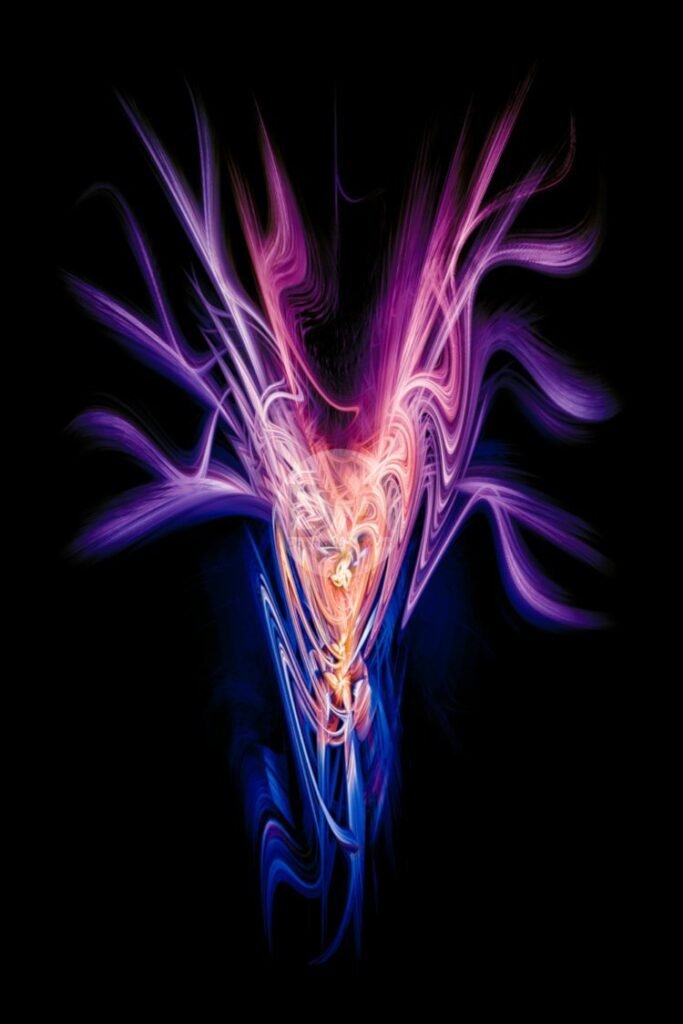
Imagine art that breathes, evolves, and even glows in the dark—not with electronics, but with life itself. This isn't science fiction; it's the mesmerizing reality of Bio-Integrated & Luminous Art, a revolutionary movement where creativity merges with the very fabric of the natural world. Far from static canvases or inert sculptures, this art form employs living organisms—from fungi and bacteria to glowing dinoflagellates—to craft pieces that are dynamic, sustainable, and deeply thought-provoking. It's an invitation to see nature not just as a subject, but as a co-creator, challenging our perceptions of beauty, ethics, and our place within the delicate web of life.
At a Glance: Key Takeaways on Bio-Integrated & Luminous Art
- Living Canvas: This art uses biological materials like fungi, bacteria, plant tissues, or mycelium, allowing them to grow and evolve as part of the artwork.
- Sustainability at its Core: It champions renewable resources and biodegradable components, demonstrating that creation can be regenerative and eco-conscious.
- A Shift in Perspective: It moves beyond human-centric views, recognizing the creative agency of non-human organisms and fostering a deeper ecological awareness.
- Glow with the Flow: Luminous art specifically harnesses bioluminescent organisms (like glowing bacteria or dinoflagellates) to create naturally illuminated displays.
- Beyond the Gallery: Bio-Integrated Art can interact with its environment, potentially offering functional benefits like bioremediation, blurring lines between art and environmental solutions.
- Ethical Considerations: It prompts vital discussions about our relationship with living systems and the ethics of manipulating biological processes for artistic expression.
- Interdisciplinary: This field thrives on the collaboration between artists, scientists, ethicists, and environmentalists.
The Living Canvas: Where Creativity Meets Biology
At its heart, Bio-Integrated Art is a testament to the power of collaboration—between human imagination and the innate processes of life. Forget paints and marble; here, the medium is alive. Artists work with a palette of biological components: the intricate networks of mycelium (the root structure of fungi), colonies of bacteria, delicate plant tissues, or even tiny, light-emitting organisms. The goal isn't merely to depict nature, but to work with it, allowing these living elements to contribute to the form, texture, and even the narrative of the artwork as they grow, respond, and change over time.
This isn't just a quirky artistic niche; it's a profound statement. Bio-Integrated Art champions a future that is sustainable and interconnected. It challenges the conventional consumption patterns that define much of our society by prioritizing renewable resources and biodegradable components. Instead of creating objects that will eventually become waste, this art form often focuses on regeneration and cycles, reshaping our understanding of beauty to align inherently with natural processes. It’s a powerful call to appreciate the biological world and integrate sustainability into our artistic—and everyday—consciousness.
Why It Matters: More Than Just Pretty Pictures
The impact of Bio-Integrated Art stretches far beyond aesthetic appeal. It fundamentally questions our relationship with living systems and probes the ethical considerations of biological manipulation within an artistic context. When you engage with a piece of art that is alive, you're forced to acknowledge the unpredictable dynamism of biological systems, a stark contrast to static, unchanging art. This art form directly challenges anthropocentric views, expanding art’s purpose to encompass ecological awareness, scientific inquiry, and symbiotic relationships.
Consider the potential: imagine art that cleans the air, or sculptures made of bioremediating fungi that actively break down pollutants in their environment. This is where Bio-Integrated Art blurs the lines between art, environmental remediation, and functional design, demonstrating its potential to interact with and even improve our surroundings. Academically, it’s a critical intervention, reshaping core assumptions in art theory and ecological discourse, demanding interdisciplinary engagement with scientific methodologies, ethical philosophy, and complex systems theory. It’s inspired by biotech advancements and the urgent need for ecological consciousness, hinting at a future where society interacts with the living world in more symbiotic ways, promoting circular economies, biomimicry, and innovative solutions for sustainable living, like living walls or biodegradable clothing.
The Science Behind the Spark: Understanding the Bioluminescent Glow
Within the vast realm of Bio-Integrated Art, one category shines particularly bright: Bioluminescent Art. This is where artists harness the natural light emitted by organisms—a phenomenon known as bioluminescence. It’s the same magic that makes fireflies glow or deep-sea creatures illuminate the abyss.
The history of understanding this natural light goes back further than you might think. In the late 19th century, scientist Raphael Dubois famously identified luciferin (the light-emitting compound) and luciferase (the enzyme that catalyzes the light production) from marine worms. Fast forward to the 20th century, and artists like Eduardo Kac began integrating bioluminescent bacteria into their works, pioneering this unique artistic frontier. More recently, artists like Rachel Carson (not the famous environmentalist, but an artist working with bioluminescence) have used glowing dinoflagellates to create immersive, ethereal installations.
This light isn't just pretty; it's a chemical reaction. Organisms produce light through a chemiluminescent process where chemical energy is converted into light energy. The specific colors and intensity depend on the organism and the particular luciferin/luciferase system it employs. It's a delicate, beautiful dance of molecules, entirely natural and profoundly captivating.
Your Toolkit for Growing and Glowing Art
Ready to explore creating your own luminous living art? Here’s what you’ll need to embark on this fascinating journey, especially focusing on bioluminescent art, which offers a more immediate entry point into working with living materials that display a visible effect.
Essential Organisms & Materials:
- Bioluminescent Organisms: The stars of the show!
- Bacteria: Photobacterium phosphoreum is a common choice, often available in freeze-dried cultures. These produce a steady, ambient glow.
- Dinoflagellates: These single-celled marine plankton (e.g., Pyrocystis fusiformis) are famous for their dazzling flash when agitated. They are often used for "bioluminescent paint" effects. You'll usually acquire these from specialized biological suppliers.
- Traditional Art Supplies (Modified):
- Canvas/Surface: Petri dishes, bioreactors, glass panels, or even specially prepared landscapes can serve as your canvas. For painting with dinoflagellates, traditional canvases or paper work well, as long as they are compatible with water-based mediums.
- Brushes: Soft-bristled brushes are ideal to avoid damaging delicate organisms.
- Palettes: Non-porous surfaces for mixing your bioluminescent "paint."
- Non-Toxic Binders & Mediums:
- Clear, non-toxic, water-based paint or artist’s medium: (e.g., clear school glue, acrylic medium) to mix with dinoflagellates.
- Environment & Storage:
- Dark Room/Space: Absolutely essential for viewing bioluminescent art.
- Airtight Containers: For storing organisms, especially dinoflagellates, often in a cool, dark place like a refrigerator (not freezer!).
- Distilled Water: Useful for rehydrating freeze-dried bacteria or diluting cultures.
- Sea Salt/Nutrient Solutions: For cultivating and feeding dinoflagellates.
Safety First: Preparing Your Workspace
Working with living organisms, even harmless ones, requires a mindful approach to hygiene and safety.
- Stable, Covered Surface: Set up a clean, flat, and stable workspace. Cover it with plastic sheeting or newspaper to protect surfaces from spills.
- Organized Supplies: Keep all your art supplies and biological components within easy reach.
- Lighting Control: Ensure you have easy access to a light switch or a small desk lamp. You'll need light for preparation and darkness for viewing.
- Refrigeration Access: If using dinoflagellates or certain bacteria, keep your work area close to a refrigerator for optimal storage.
- Hydration Station: Have distilled water on hand for organisms.
- Personal Protection: Always wear gloves and eye protection when handling biological cultures. Wash your hands thoroughly with soap and water after any contact with the organisms or materials.
From Organism to Art: Crafting Your Living Canvas
Now for the exciting part: bringing your bioluminescent vision to life!
Mixing Your Luminescent Palettes
Creating "paint" with bioluminescent organisms is simpler than you might think.
- Acquire Your Organisms: Obtain live bioluminescent dinoflagellates from a reputable specialized supplier. These typically arrive in a culture medium.
- Mix with a Binder: Gently combine your dinoflagellate culture with a clear, non-toxic, water-based binder. A 1:1 ratio with clear school glue or a non-toxic artist's medium is a good starting point. Stir gently to avoid harming the delicate organisms.
- Optional Enhancements: For subtle variations, you can add a tiny amount of non-toxic watercolor paint or food coloring. Be very conservative, as too much can impede the organisms' ability to glow or even harm them. For texture, a pinch of non-toxic sand or fine glitter can be added, but again, moderation is key.
Remember, the goal is to create a medium that supports the organisms while allowing you to manipulate them artistically.
Painting with Light: Techniques for Impact
The real magic happens in the dark.
- Work in Darkness: The most crucial tip! Prepare your canvas and "paint" in ambient light, but when you begin applying it, dim the lights significantly or work in a completely dark room. This allows you to immediately see the luminous effect and adjust your technique.
- Layering for Intensity: Just like traditional painting, layering can build intensity. Start with a thin base layer. Once it's settled (not necessarily dry, as the organisms need moisture), you can add subsequent layers to achieve a brighter, more concentrated glow.
- Stippling for Stars: For a starry night effect, or to create pointillist patterns, use a stiff-bristled brush to gently tap or stipple the bioluminescent mixture onto your surface. This agitation will cause the dinoflagellates to flash, creating a shimmering, dynamic display.
- Swirling and Splashing: For abstract, fluid effects, gently swirl the mixture or even carefully splash it onto your canvas. The movement will trigger the glow, creating fleeting, beautiful patterns.
Nurturing Your Living Masterpiece: Care and Longevity
Unlike traditional art, bioluminescent art requires ongoing care. You're not just preserving a static object; you're maintaining a living ecosystem.
- Nutrition is Key: Dinoflagellates need food. Regularly (e.g., every few days to a week, depending on the culture) feed them a diluted solution of specialized dinoflagellate food, often a mix of sea salt and glucose. Overfeeding can be as detrimental as underfeeding, leading to nutrient imbalances or algal blooms. Moderation is essential!
- Optimal Storage: Store your artwork in a cool, dry, and most importantly, dark place. Direct sunlight can harm the organisms and diminish their light production. A consistently dark environment can actually enhance their glow when they are later exposed to light-triggering agitation. Avoid extreme temperature fluctuations.
- Gentle Cleaning: If necessary, gently clean the surface with a soft, damp cloth. Never use harsh chemicals or abrasive materials, as these will destroy the delicate organisms.
- Handling with Care: Living art is fragile. Minimize handling and sudden movements, as excessive agitation can stress the organisms or deplete their energy reserves for light production.
Beyond the Brush: The Broader Impact of Bio-Integrated Art
While bioluminescent art offers a dazzling entry point, Bio-Integrated Art encompasses a much wider, more profound scope. It’s a field bristling with potential, extending far beyond the gallery walls.
Imagine art installations that are not just beautiful but actively contribute to environmental health. This is the realm of Meet the Electric Bloom cast, where bio-integrated concepts could transform our cities and landscapes. For instance, projects using specific fungi for bioremediation could become living sculptures that clean polluted soil or water, turning environmental degradation into a canvas for renewal. This blurs the lines between art, scientific research, and tangible ecological benefit.
This artistic movement also actively promotes biomimicry, encouraging us to learn from nature’s designs and processes to solve human problems. Artists might create structures inspired by mycelial networks for their strength and regenerative properties, or develop biodegradable materials that mimic natural decomposition cycles. The very act of engaging with living materials fosters a deeper appreciation for these natural solutions.
Moreover, Bio-Integrated Art inherently drives interdisciplinary collaboration. It necessitates dialogue between artists, biologists, chemists, engineers, and ethicists. This cross-pollination of ideas is crucial for innovation, pushing the boundaries of what art can be and what role it can play in society. It challenges us to reconsider the ethics of manipulation, prompting discussions about our responsibilities when working with living systems and the inherent agency of non-human organisms. This isn't just about making things; it's about understanding and respecting life itself.
Common Questions & Bright Ideas
Venturing into Bio-Integrated & Luminous Art often sparks curiosity. Here are answers to some common questions and ideas to inspire your own living masterpieces:
Is Bio-Integrated Art safe?
Generally, yes, when proper precautions are taken. Artists working with bioluminescent bacteria or dinoflagellates typically use non-pathogenic strains. However, working with any biological material requires adherence to safety protocols: wearing gloves, eye protection, and maintaining a clean workspace to prevent contamination or accidental ingestion. Always source organisms from reputable suppliers who provide safety data.
How long does bioluminescent art last?
The lifespan varies significantly. Dinoflagellate-based art is ephemeral; the glow typically lasts as long as the organisms are healthy and active, which could be days to a few weeks with proper care. Bio-integrated art using fungi or plant tissues might evolve over months or even years, undergoing natural cycles of growth, decay, and regeneration. The art's beauty often lies in its transient nature, reflecting life's own impermanence.
Can I really clean my environment with art?
The concept of art-as-remediation is a powerful aspect of Bio-Integrated Art. While an individual's small art piece won't solve global pollution, large-scale, carefully designed installations using organisms like bioremediating fungi can contribute to environmental cleanup. The artistic intervention serves to highlight the issue, educate the public, and demonstrate potential solutions.
Artistic Concepts to Spark Your Imagination:
- Recreating Natural Phenomena: Use bioluminescent paint to depict a swirling galaxy, the tranquil glow of a moonlit ocean floor, or the magical dance of fireflies on a summer night.
- Underwater Worlds: Imagine kelp forests or coral reefs brought to life with glowing marine creatures, creating an immersive, otherworldly feel.
- Abstract Luminescence: Explore patterns, textures, and fluid movements. Let the inherent flow of the organisms create dynamic, ever-changing abstract compositions that respond to interaction.
- Growing Sculptures: Use mycelium to grow intricate, sustainable sculptures that change shape and texture over time, perhaps slowly decomposing and enriching the soil around them.
- Interactive Art: Design pieces where the viewer's touch or movement triggers the bioluminescence, fostering a direct, personal connection with the living artwork.
Looking Ahead: The Future is Alive and Luminous
Bio-Integrated & Luminous Art is more than just a trend; it's a testament to a paradigm shift in how we perceive and interact with art, science, and nature. It urges us to move beyond consumption towards co-creation, to embrace impermanence, and to recognize the profound beauty and agency inherent in all living systems.
As biotechnology advances and our understanding of ecological systems deepens, the possibilities for this art form are boundless. From living architecture that breathes with organisms to clothing that grows and glows, the future promises a world where art isn't just observed, but lived. This journey into living art is an invitation to engage with complex questions, to marvel at nature's ingenuity, and perhaps, to cultivate a brighter, more sustainable future, one glowing brushstroke and growing sculpture at a time.